
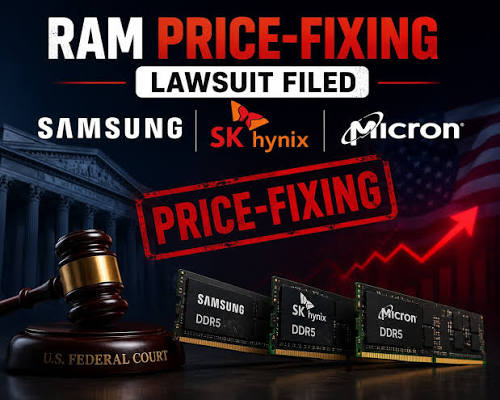
Samsung, SK hynix, and Micron; Face Major Antitrust Lawsuit Over RAM Prices

A new class action lawsuit has put three of the world’s largest memory manufacturers under the microscope, raising serious questions about competition in one of the technology industry’s most important markets.
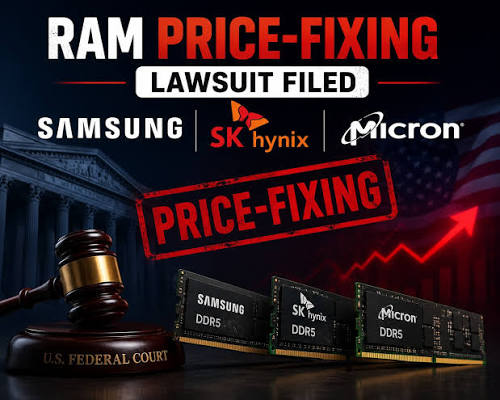
Samsung, SK hynix, and Micron have all been named in a federal antitrust lawsuit that alleges the companies worked together to restrict the supply of DRAM memory, artificially driving prices higher for consumers and businesses alike. The three companies collectively control roughly 90 percent of the global DRAM market, making the outcome of this case one the entire tech industry will be watching closely.
If the allegations are proven, the impact could extend far beyond the PC market.
What Is the Lawsuit About?
The lawsuit claims that Samsung, SK hynix, and Micron coordinated production by reducing the supply of traditional DRAM while shifting manufacturing toward higher-margin AI memory products.
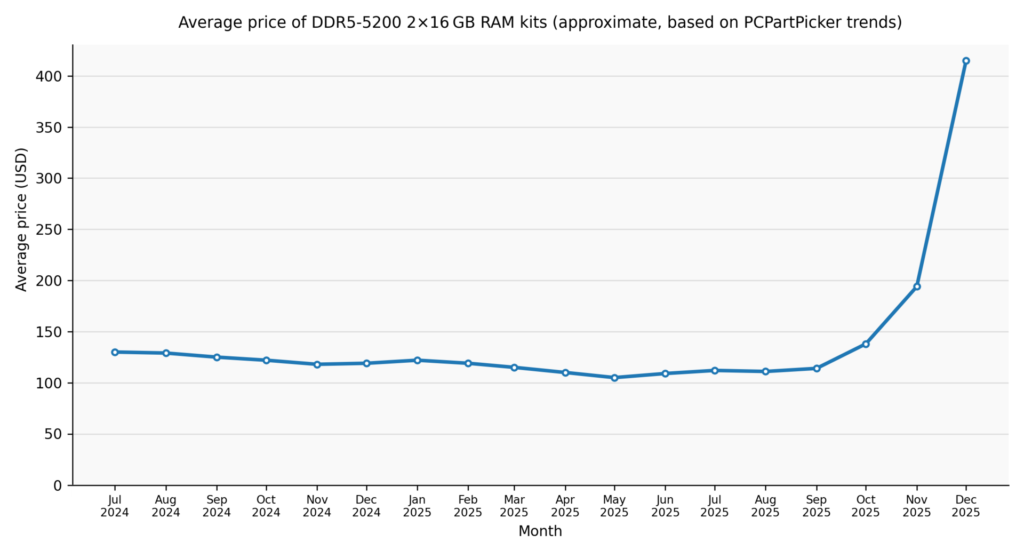
According to the complaint, that reduction in supply created an artificial shortage that caused conventional DRAM prices to increase dramatically over the past several years.
The companies deny any wrongdoing, and the allegations have not been proven in court.
Why Gamers Should Care
RAM is one of the most important components in modern gaming hardware.
Whether you’re building a gaming PC, buying a Steam Deck, upgrading your laptop, or purchasing a new console, memory prices directly affect the final cost of that hardware.
Over the past year, companies including Microsoft, Nintendo, Valve, and Apple have all cited rising memory costs as one factor behind hardware price increases. If the lawsuit’s allegations are true, it raises the possibility that gamers have been paying more for their hardware because of anti-competitive practices rather than normal market conditions.

A Familiar Story
This is not the first time these companies have faced accusations surrounding DRAM pricing.
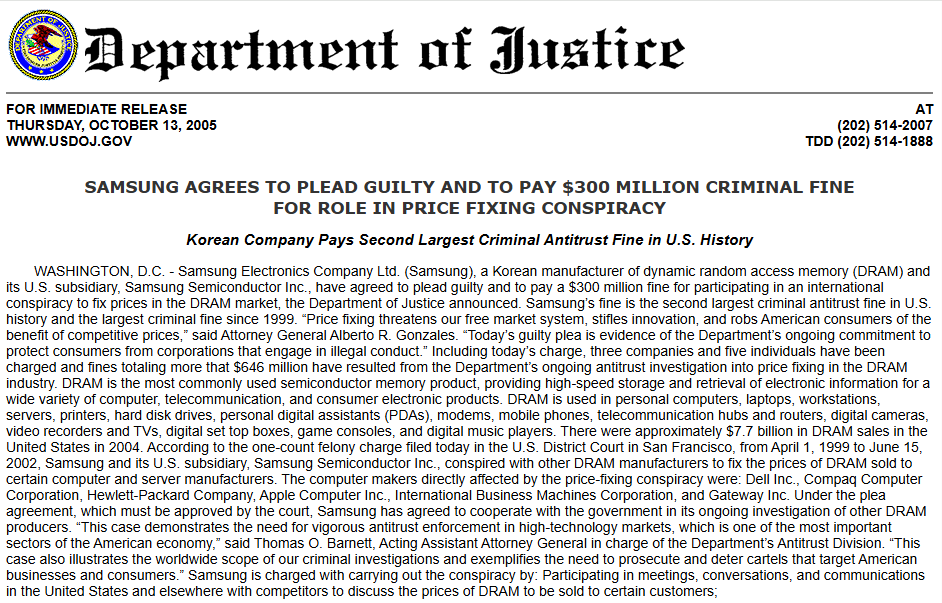
Samsung and SK hynix both pleaded guilty to DRAM price-fixing charges in the mid-2000s, resulting in hundreds of millions of dollars in fines. Plaintiffs argue that this history makes the latest allegations especially significant, while the defendants maintain they have acted lawfully.
That history is one reason this new lawsuit has attracted so much attention.
The Potential Repercussions
This case is about much more than computer memory. It could have implications for gaming PCs, consoles, handhelds, smartphones, and nearly every modern electronic device that relies on DRAM.
Whether Samsung, SK hynix, and Micron are ultimately found liable remains for the courts to decide. But with hardware prices continuing to climb across the gaming industry, consumers are paying closer attention than ever to where those costs are coming from.
If the lawsuit succeeds, it could become one of the most significant antitrust cases the technology industry has seen in years.






BRING THE PRICe DOWN AND LET THERE BE POWER TO THE BUILDERS