

Gears of War: E-Day Is a Great Game, So Why Aren’t Sales Reflecting It?

There is something strange about watching one of Xbox’s most recognizable franchises deliver a strong new entry, only to see its early sales numbers raise eyebrows. Gears of War: E-Day has given fans a brutal return to the series’ roots, but its reported sales figures tell a much less impressive story.
So, what’s going on? Is this a problem with the game, or is Xbox’s business model making success harder to measure?
A Return to Form
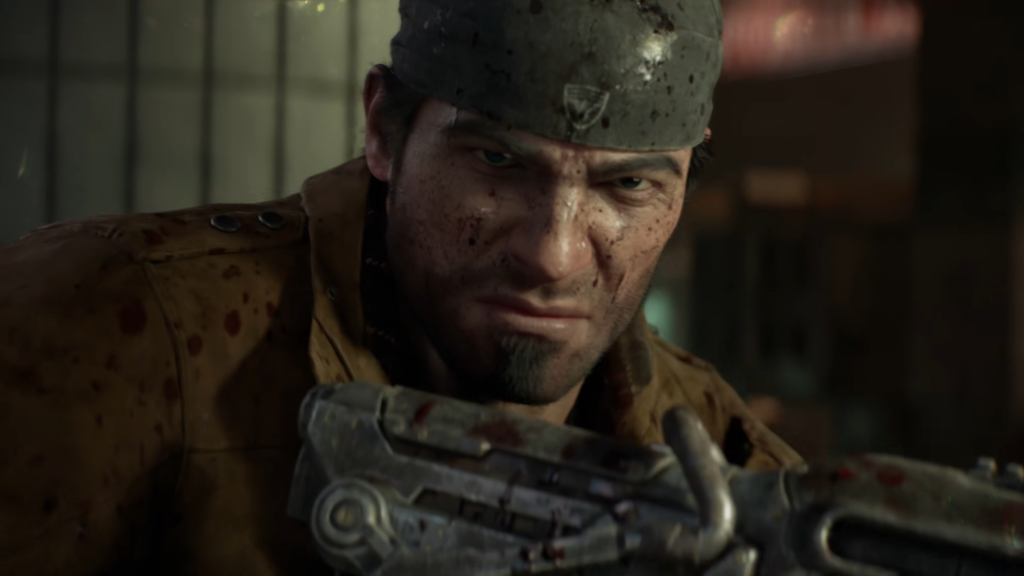
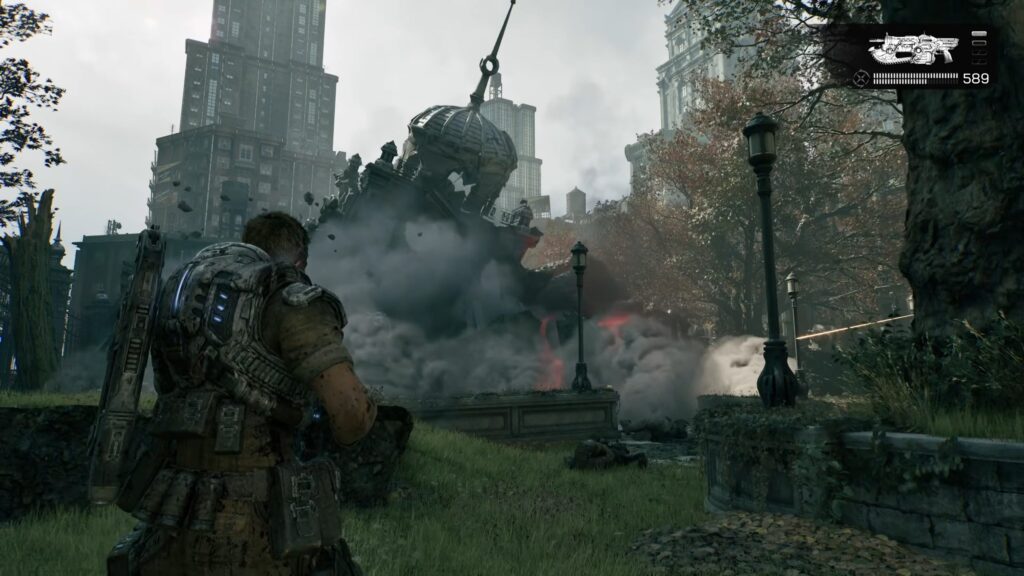
E-Day takes players back to the beginning of the Locust War, revisiting the world that made Gears of War a household name among Xbox fans. With its gritty combat, cinematic presentation, and focus on Marcus Fenix and Dom Santiago, it delivers exactly the sort of experience longtime fans have been waiting for.
The early critical reception has been encouraging, too. Alinea Analytics described it as the best-reviewed Gears game in nearly two decades. While no game is without its flaws, E-Day has given the franchise a compelling reason to return to the spotlight.
Which makes the early sales discussion all the more interesting.
The Numbers Tell a Different Story
According to Alinea Analytics, E-Day sold an estimated 230,000 copies across Xbox and Steam following its October 1 early-access launch. Meanwhile, approximately 1.7 million players reportedly accessed the game through Game Pass.
Those figures are estimates, not official Microsoft sales numbers, and they don’t tell the complete financial story. Premium upgrades and subscription revenue also contribute to the game’s commercial performance.
Still, the gap between the estimated number of purchases and the number of players raises an important question: Is Game Pass making it harder for Xbox to turn popular games into traditional sales success stories?
The Game Pass Problem
Game Pass is fantastic for players. For a monthly subscription, you can access major releases without paying full price for each one. It’s an appealing deal, particularly for gamers who want to try several new titles.
But that convenience creates a challenge for publishers.
If someone already subscribes to Game Pass, why spend $70 on a game they can already play? Some players might never have purchased E-Day at full price anyway, and the service can introduce games to audiences they otherwise wouldn’t reach. But others who might have bought the game outright now have less reason to do so.
That doesn’t automatically make Game Pass a bad business model. It does mean Microsoft has to prove that subscription revenue, premium upgrades, and long-term engagement can compensate for purchases that might otherwise have happened.
E-Day highlights that dilemma perfectly. A game can attract a substantial audience while its direct sales appear underwhelming.
Not a Failure… But Not Quite a Success.
Calling Gears of War: E-Day a failure based on early sales estimates would be premature. We don’t have Microsoft’s official sales figures, internal targets, or a complete picture of its revenue.
But the situation raises legitimate concerns about how Xbox measures success in a subscription-driven market.
E-Day appears to have delivered the kind of experience fans wanted. The question is whether Microsoft can turn that enthusiasm into a sustainable business.
Because if a great game can attract millions of players without generating the traditional sales numbers expected of a major franchise, perhaps the problem isn’t the game itself.
Perhaps Xbox needs to rethink how success is measured, and how its biggest games are expected to make money.



Responses