
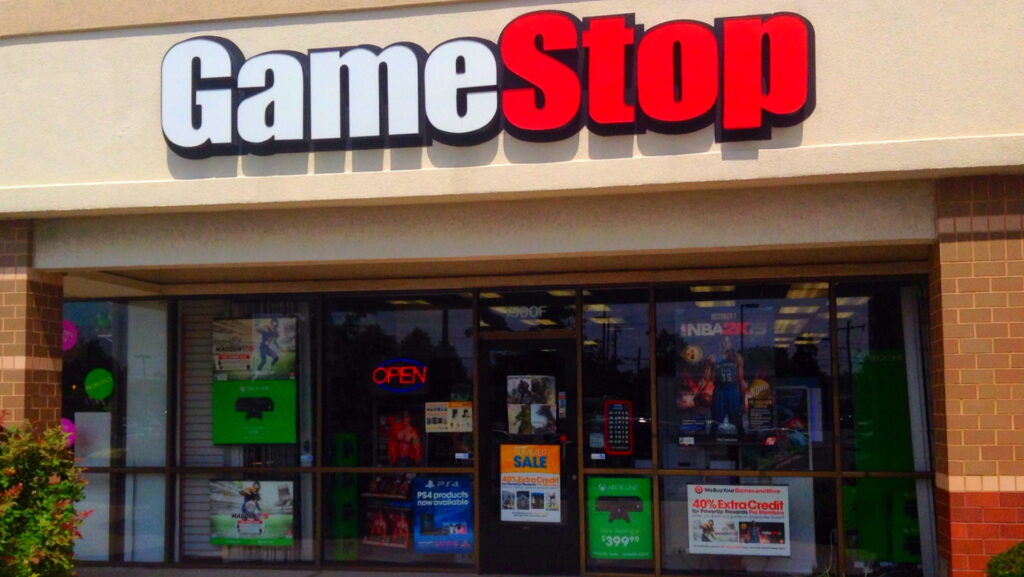
GameStop’s Attempt to Acquire eBay: A Bold Move That Raises Big Questions

The conversation around GameStop has taken another unexpected turn, this time centered on reports of a potential move to acquire eBay.
For a company that has spent the last few years redefining its identity, the idea of stepping into large scale e commerce in such a direct way signals a major strategic shift.

What the Move Is About
At its core, the reported interest in acquiring eBay points to GameStop’s ambition to expand beyond traditional retail.
GameStop has already experimented with digital initiatives, collectibles, and resale focused strategies. Acquiring a platform like eBay would accelerate that transition almost overnight, giving the company access to:
- A massive global user base
- Established infrastructure for online transactions
- A dominant position in the resale market
It would not just be an expansion. It would be a complete transformation of what GameStop is as a business.

Why This Is Turning Heads
The scale of the move is what makes it so notable.
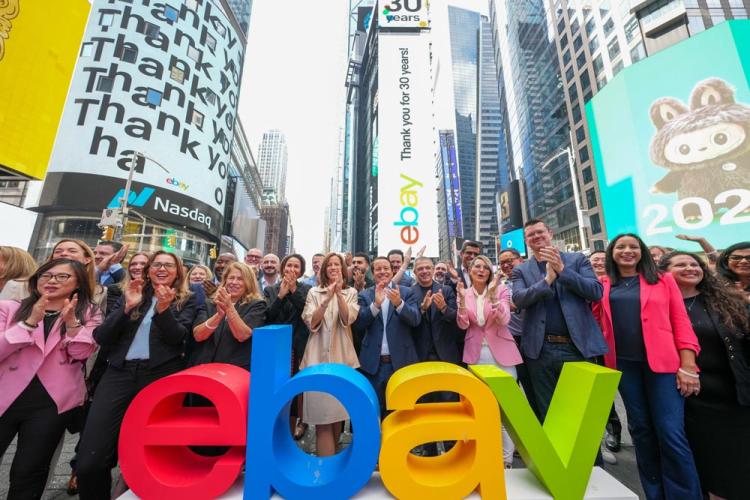
eBay is not a niche platform. It is one of the largest and most established online marketplaces in the world. For GameStop to even be linked to an acquisition of that size raises immediate questions about feasibility, financing, and long term strategy.
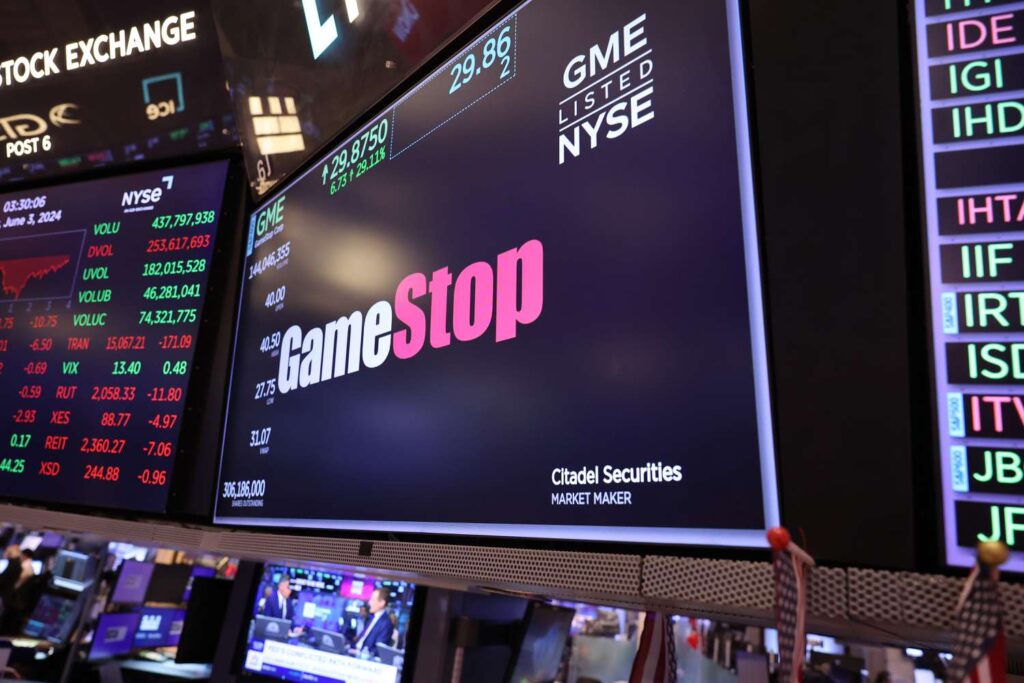
There is also a major financial reality at play. eBay’s (EBAY) market valuation sits in the tens of billions of dollars, often around $30 to $40 billion, while GameStop’s (GME) valuation has typically ranged in the $5 to $10 billion range depending on market conditions.
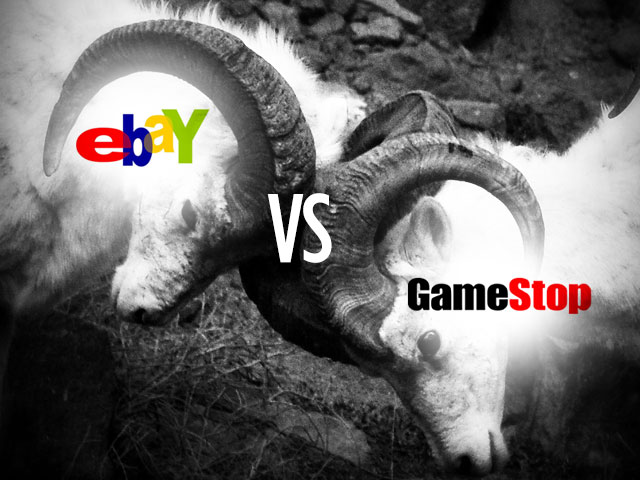
That gap is significant. It means GameStop would be attempting to acquire a company several times its own size, which is extremely rare and would require substantial external financing or unconventional deal structuring.
What GameStop Stands to Gain
If a deal like this were to happen, the upside could be significant.
GameStop could position itself as a central hub for buying and selling not just games, but a wide range of consumer goods. This aligns with the broader shift toward resale driven markets and circular commerce.
It would also allow GameStop to:
- Reduce reliance on physical storefronts
- Expand into new product categories
- Build a stronger digital ecosystem
In many ways, it would fast track the company’s evolution into a modern commerce platform.
The Risks and Challenges
At the same time, the challenges are just as significant.
Acquiring and integrating a company the size of eBay would require enormous capital and operational coordination. There are also questions about whether GameStop has the infrastructure and leadership experience to manage a platform of that scale.
Beyond logistics, there is the issue of identity. GameStop has spent years trying to redefine itself. A move like this could either solidify that transformation or create even more uncertainty about what the company ultimately wants to be.
A Defining Moment
This potential acquisition attempt highlights how aggressive GameStop’s strategy has become.
Rather than making incremental changes, the company appears willing to pursue large, high impact moves that could reshape its future in a single step.
Whether or not this specific deal materializes, the intent alone signals a company that is no longer content to operate within its traditional boundaries.
GameStop’s reported interest in acquiring eBay is less about a single deal and more about direction.
It shows a company actively searching for its next identity, willing to take significant risks to get there.
If successful, it could mark one of the most dramatic transformations in modern retail. If not, it still reinforces one key idea. GameStop is not standing still, and whatever comes next is likely to be just as bold.








Bruh… LOOOL this would be wild