Game Preservation Is Becoming One of Gaming’s Biggest Challenges

For decades, buying a game meant you owned it.
Whether it was a cartridge, a disc, or a collector’s edition sitting on your shelf, there was comfort in knowing that you could return to that game years later. Today, that feeling is slowly disappearing.
As the gaming industry continues moving toward digital storefronts, online authentication, and live service experiences, game preservation has become one of the most important conversations in modern gaming. Unfortunately, it is also one of the most overlooked.

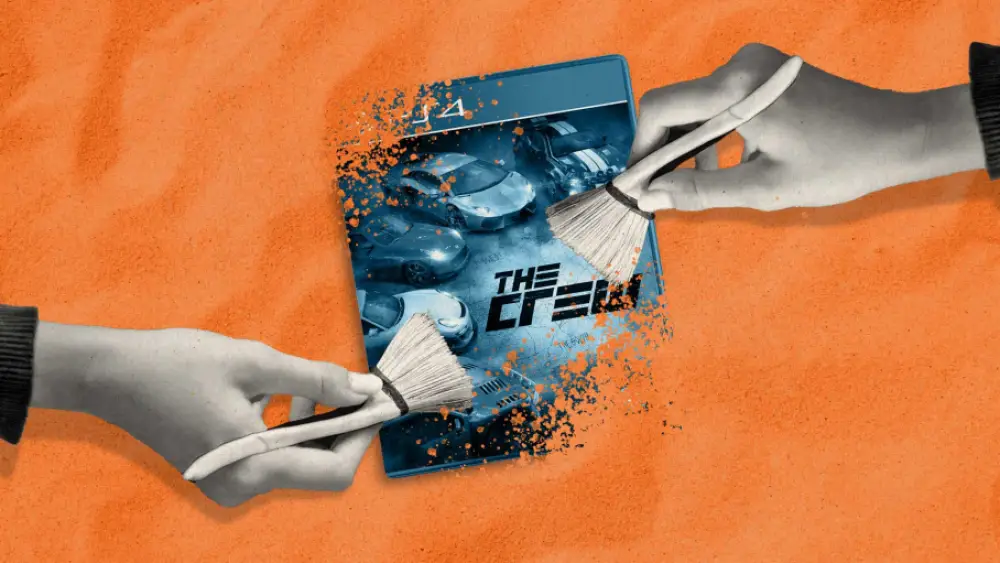
Games Are Disappearing
Unlike books, movies, or music, video games often rely on servers, multiple storefronts, and licensing agreements to remain accessible.
When a game is delisted, a storefront shuts down, or servers go offline, entire experiences can disappear overnight.
We’ve already seen countless examples. Online-only games become completely unplayable, digital titles vanish from storefronts, and classic games become increasingly difficult to purchase legally.
For players who grew up with these games, it is a reminder that gaming history is far more fragile than many people realize.
Physical Ownership Is Slowly Fading
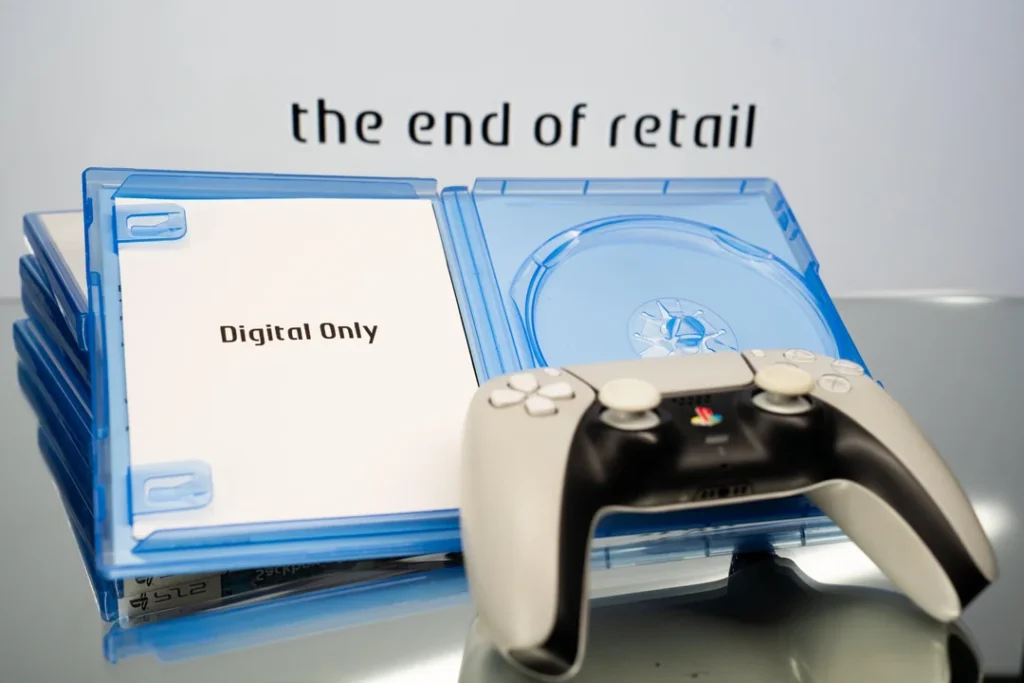
The shift toward digital distribution has made games more convenient than ever, but it has also changed what ownership actually means.
More and more physical releases now require large downloads, mandatory online activation, or simply include a download code instead of a game disc.
While digital libraries offer incredible convenience, they also leave players dependent on storefronts and licensing agreements that can change at any time.
Owning a game no longer always guarantees access to it.
Why Preservation Matters
Video games are more than entertainment. They are part of our cultural history.
Every generation has games that helped define it, from arcade classics to modern open-world adventures. Losing access to those experiences means losing part of gaming’s legacy.
Preservation also benefits developers. Future creators often look to older games for inspiration, learning from mechanics, storytelling, and design decisions that shaped the industry.
Without preservation, that history becomes increasingly difficult to study and appreciate.
The Industry Needs to Do Better
There are encouraging signs. Some publishers have embraced remasters, collections, and backward compatibility, while organizations around the world continue working to archive gaming history.
But those efforts are not enough.
Publishers, platform holders, and developers all have a role to play in ensuring that games remain accessible long after their commercial life has ended. That means supporting preservation initiatives, making legacy titles easier to purchase, and recognizing that not every game should disappear once it stops generating revenue.
Gaming has never been bigger than it is today, yet preserving its history has never felt more uncertain.
As the industry moves further toward digital ownership and live service models, there is a real risk that future generations could lose access to some of the most influential games ever created.