Single Player Gaming Is Making a Comeback: Why Solo Experiences Are Back in Focus

The conversation around single player gaming has shifted in a noticeable way. After years of live service dominance and multiplayer focused design, solo experiences are finding their way back into the spotlight.
What once felt like a declining space is now gaining renewed momentum, driven by both player demand and a changing approach from major studios.
What’s Changed???
For the better part of the last decade, the gaming industry increasingly leaned into multiplayer ecosystems, live service titles and ongoing monetization models. While some of these systems have undoubtedly created consistent revenue, they have also reshaped how games were built; with many studios foregoing new and expansive passion projects in favor of riding the hot trend of the month.
Recently, that strategy has started to show its limits. Not every game benefits from being a live service, and players are becoming more selective with where they invest their time.
As a result, there has been a growing shift back toward experiences that feel complete on day one, in lieu of the “fuck it, we’ll fix it later” motif that has dominated the industry in recent years.
It’s All About The Games!
A big part of this resurgence comes down to results. The last couple of years have delivered some genuinely standout single player experiences that remind people why this format works so well.
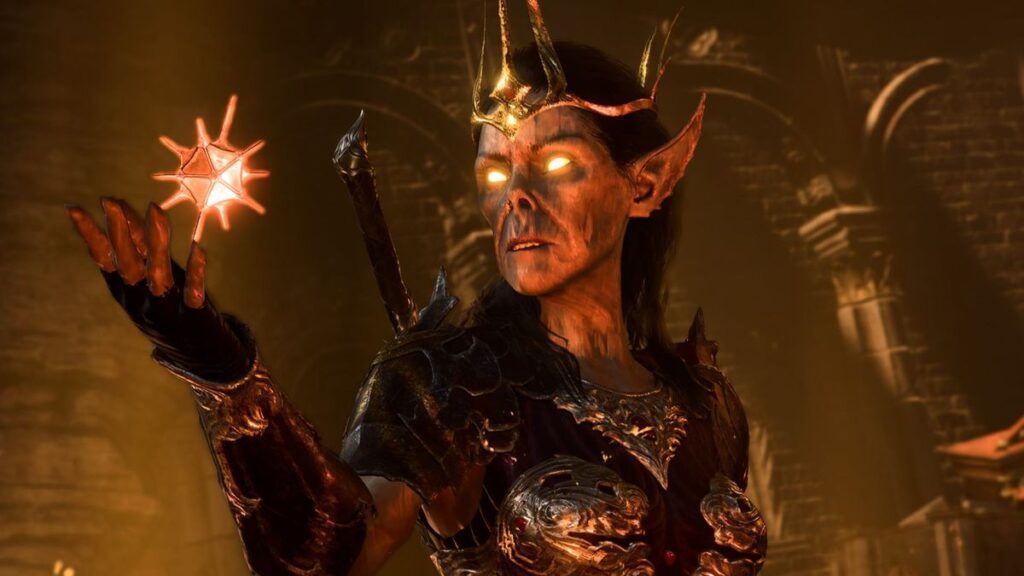
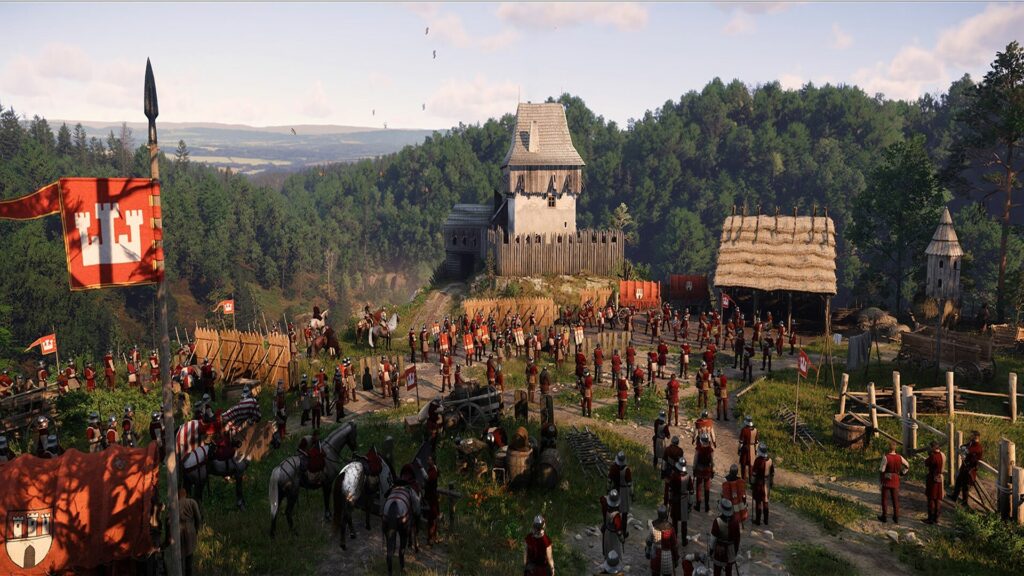
Titles like Clair Obscur: Expedition 33 and Kingdom Come: Deliverance II have been widely recognized for their strong storytelling and immersive worlds.
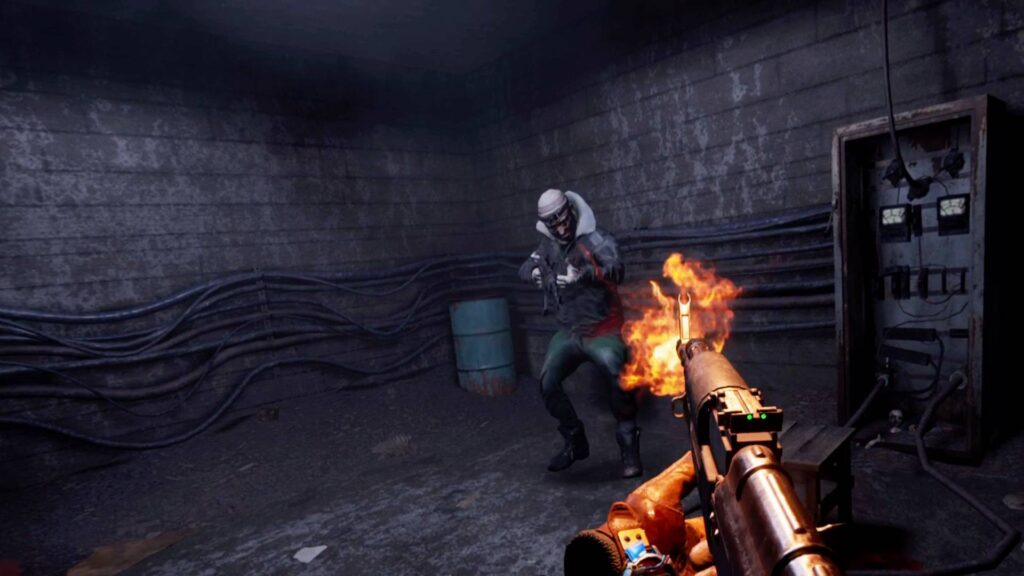
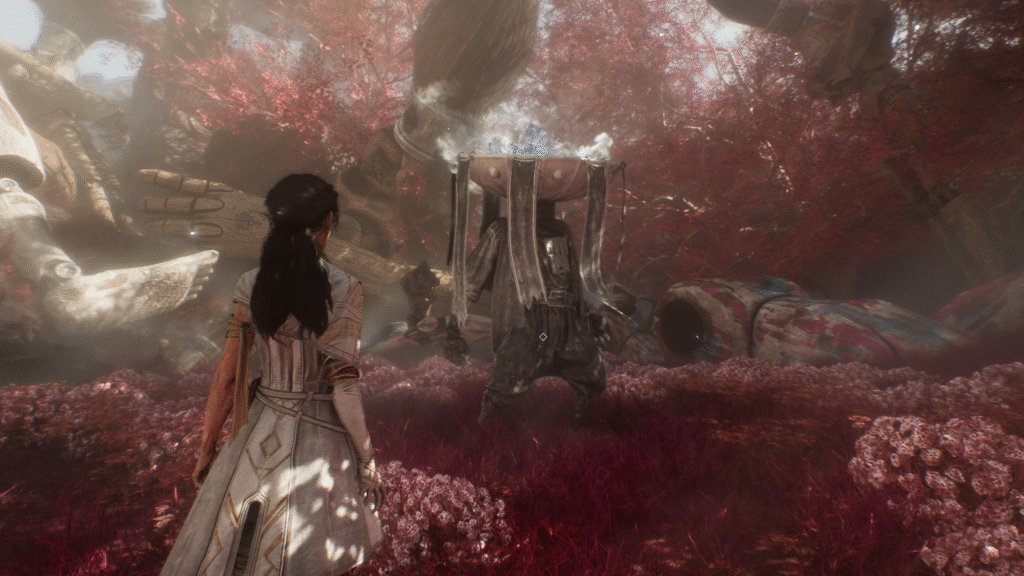
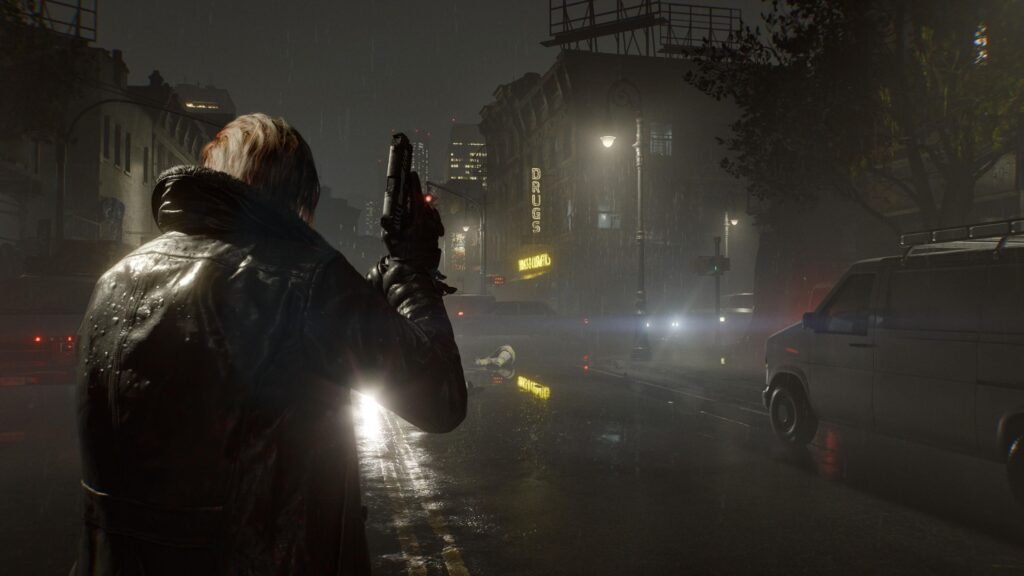
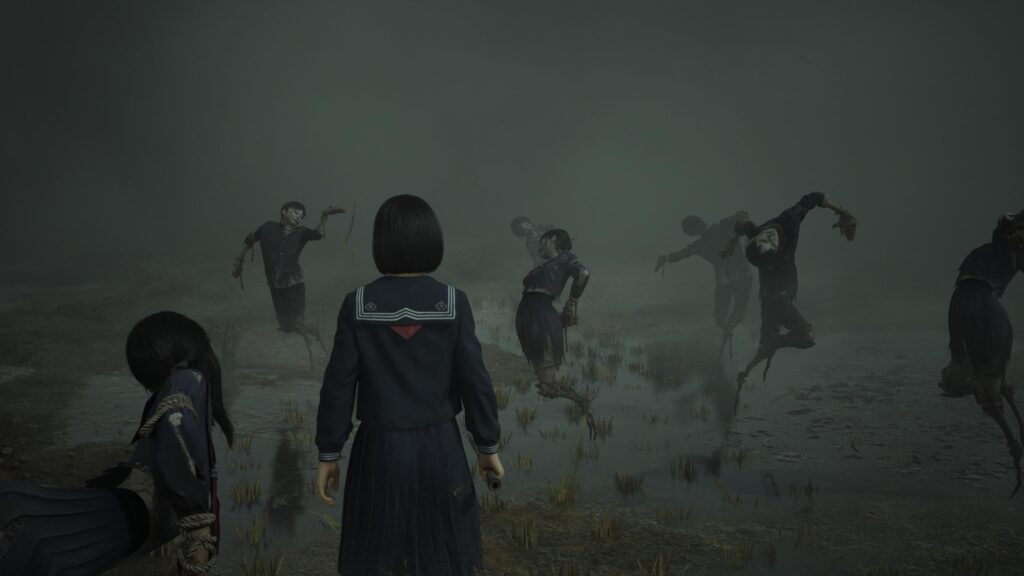
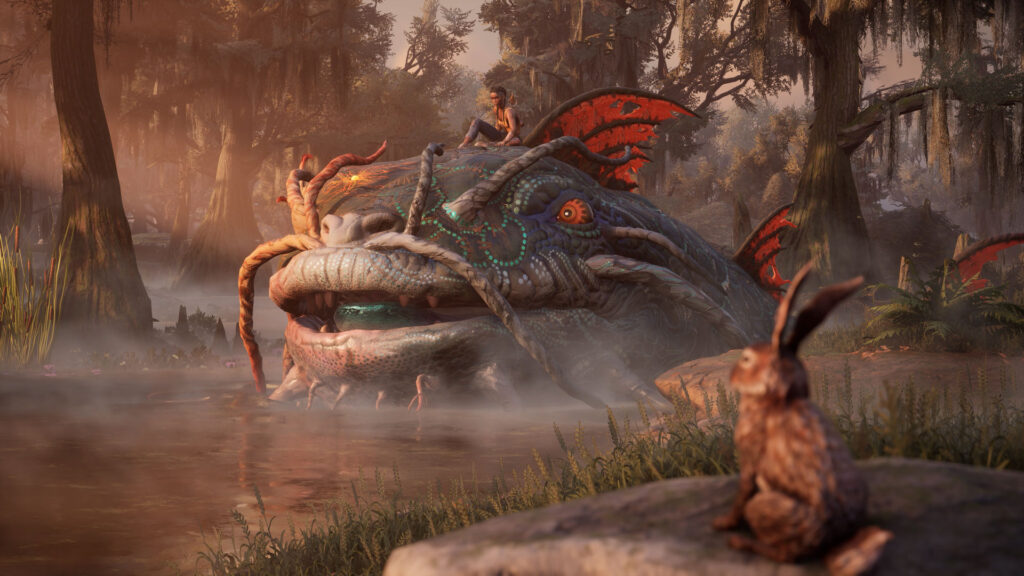
On the horror side, Silent Hill f has brought narrative driven design back into focus, while Resident Evil Requiem has also seen major commercial success as of late, quickly becoming one of the best selling entries in the franchise. Even newer releases like South of Midnight are gaining attention for blending story, atmosphere, and gameplay into a cohesive single player experience. The pattern is clear. These are not just good games. They are successful, talked about, and most importantly, memorable.
Why Players Are Leaning Back In
Single player games offer something that live service titles often struggle to replicate. A focused experience with a clear beginning, middle, and end.
That structure allows for:
- Stronger narrative delivery
- More intentional pacing
- A greater sense of immersion
Players are not just logging in to complete objectives. They are stepping into fully realized worlds that respect their money, and more importantly their time!
Developers Are Responding
Studios are starting to recognize that not every game needs to be built for long term retention.
There is a renewed emphasis on crafting high quality, standalone experiences that can succeed without constant updates. This approach gives developers more creative freedom and often results in more polished releases.
It also removes the pressure to stretch a game beyond what it was originally designed to be, and instead stand as a memorable experience that leaves gamers left feeling fulfilled.
A Shift in Expectations
The return of single player gaming does not mean multiplayer is going away. It means the industry is finding balance.
Players now expect clarity. They want to know exactly what kind of experience they are getting, whether that is a long term service game or a self contained story.
When that expectation is met, engagement tends to follow naturally, and allows for a much healthier ecosystem altogether.
The Bottom Line
Recent trends seem to indicate that single player gaming is not just coming back, but it is proving its value all over again.
With recent releases delivering both critical and commercial success, solo experiences are reclaiming their place as some of the most impactful games being made today.