
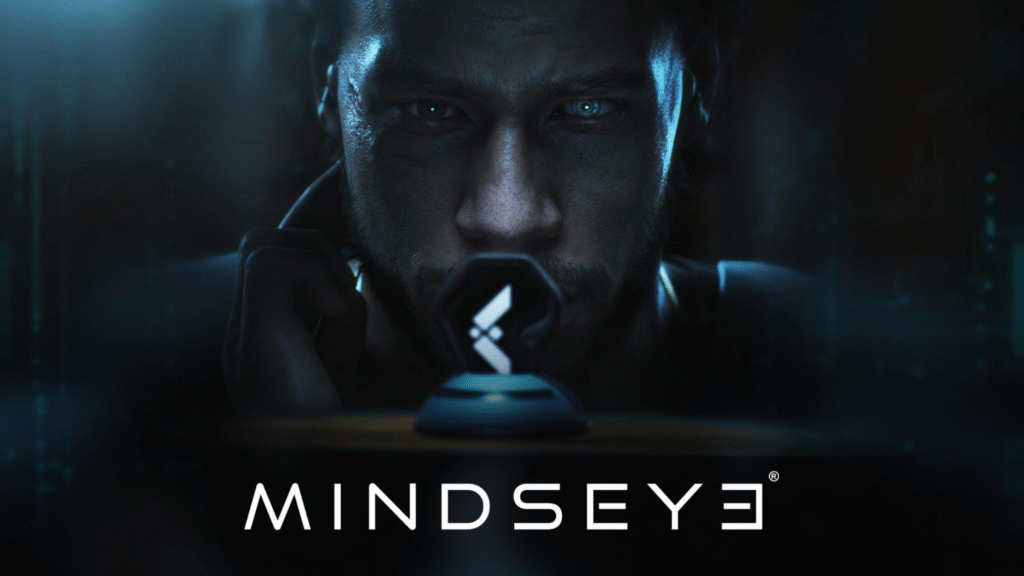
MindsEye Director Leslie Benzies, Surveillance Lawsuit Raises Industry Concerns.

The conversation around Leslie Benzies has shifted sharply, as a new controversy tied to alleged employee surveillance at his studio begins to gain traction.
What might have been an internal workplace issue has now escalated into a legal dispute, raising broader questions about privacy, trust, and how far studios can go when monitoring their teams.

What the Lawsuit Is About
The core of this controversy centers on claims that employees at Build A Rocket Boy were monitored through Teramind tracking software installed on work devices.
According to reports and employee accounts, the software was capable of logging activity such as keystrokes and screen usage. The concern is not just that monitoring took place, but how it was implemented and communicated.
The lawsuit argues that workers were not given clear or sufficient disclosure about the extent of the tracking or how their data would be used.

Why This Is Causing Concern
Employee monitoring is not unusual in modern development environments, especially when it comes to protecting sensitive projects.
The issue here is scale and transparency. Critics argue that the alleged level of monitoring may have crossed into invasive territory, particularly for employees working remotely.
Key concerns being raised include:
- Lack of clear consent or communication
- Monitoring extending into home work environments
- Questions around data usage and storage
For many, including myself, this is less about whether monitoring exists and more about where the line should be drawn; as there is a delicate balance between protecting IP and infringing upon privacy that must be addressed industry wide.
The Context Behind the Decision
The reported use of monitoring tools comes during a turbulent period for the studio, following challenges tied to MindsEye and internal concerns about leaks and project stability.
In that context, increased oversight may have been intended as a security measure. However, the execution of that decision is now under scrutiny, especially if employees felt blindsided by the extent of the tracking.

A Broader Industry Question
This situation reflects a growing tension across the gaming industry and tech as a whole.
As remote work becomes more common, studios are navigating how to balance productivity, security, and employee trust. Cases like this highlight how quickly that balance can shift if transparency is not prioritized.
It also raises a larger question about what modern workplace boundaries should look like in game development.
What Happens Next?
The lawsuit involving Leslie Benzies and his studio is still unfolding, but it has already sparked a wider conversation.
At its core, this is about more than one company. It is about how studios treat their teams and how they define the limits of oversight in an increasingly digital workspace.
How this situation is resolved could influence not just one studio, but how the industry approaches employee monitoring moving forward.







eh ahahah this is really a dead game XD